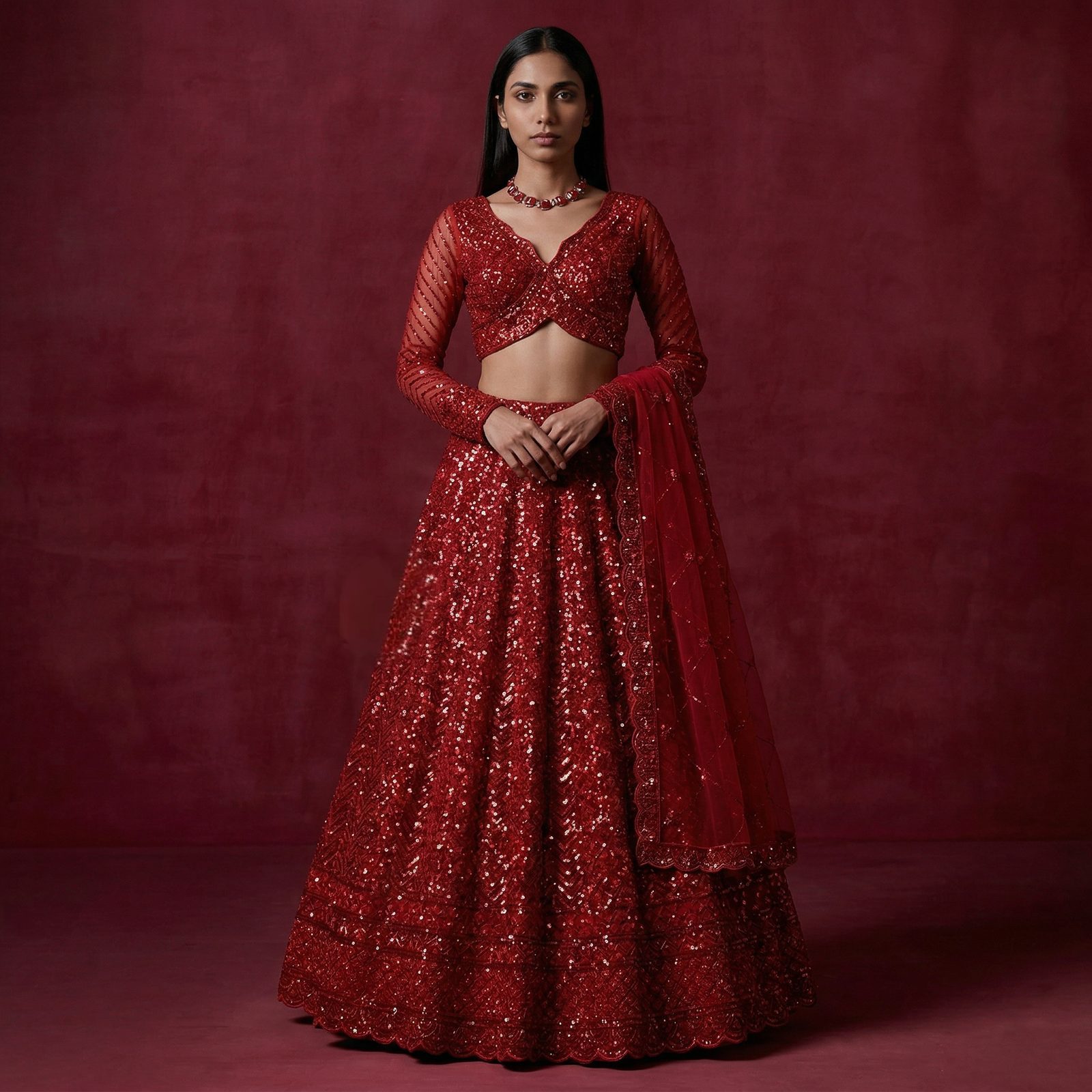
For fashion labels in Surat and beyond
Does a fashion label need its own website if it sells on Instagram?
Yes. Your Instagram can't take a payment. Your website can. Here's what changes for a Surat label the day it gets its own store.
For fashion labels in Surat and beyond
Yes. Your Instagram can't take a payment. Your website can. Here's what changes for a Surat label the day it gets its own store.
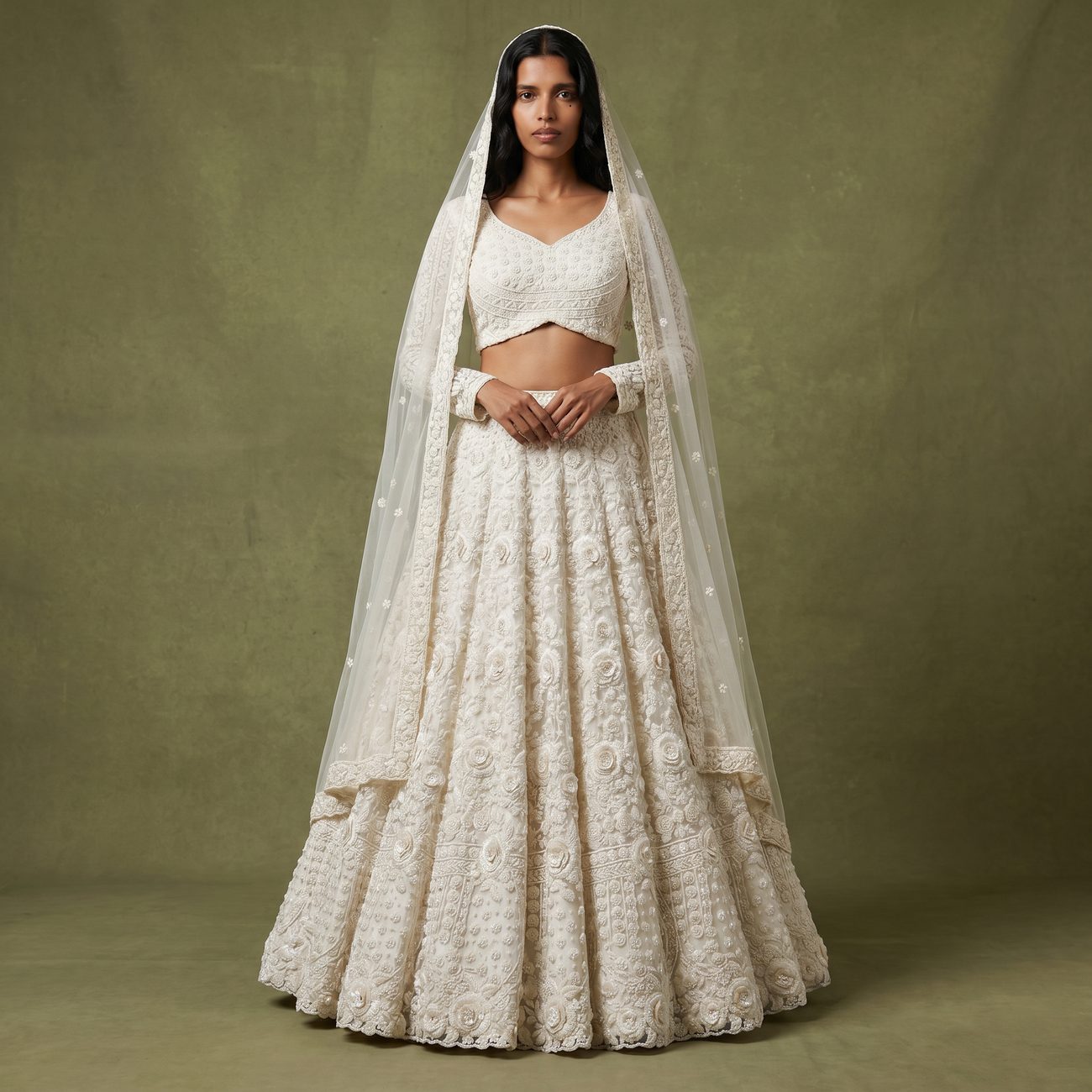
It can't take the payment, it won't tell you who bought, and the algorithm owns your reach. Your own store fixes all three — the checkout, the customer, the ground you stand on.
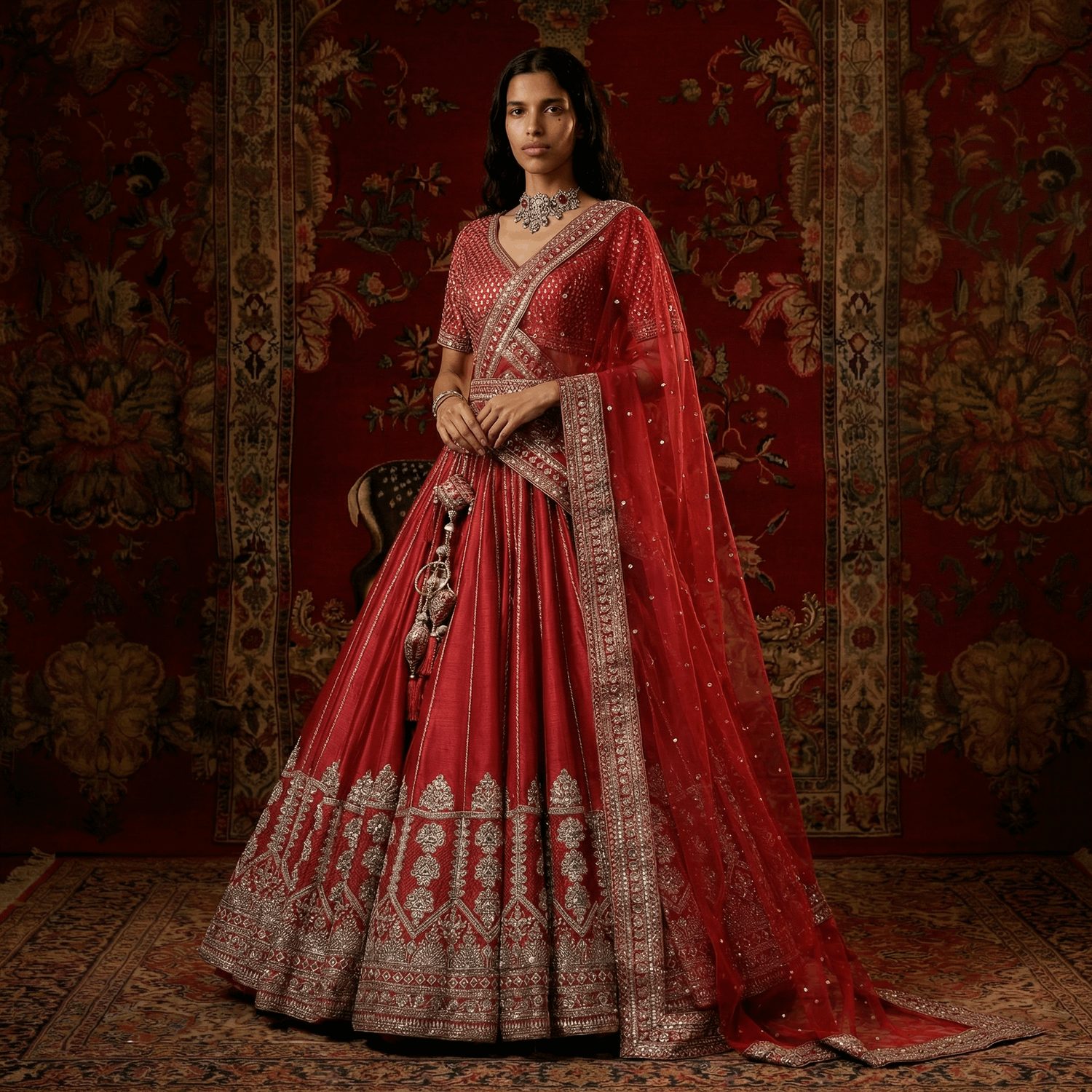
Proof
Let's talk
No pitch, no pressure — message us even just to ask whether a site's worth it for you yet. Or read what it took for JMS to sell from Surat to 25 countries.
A small studio in Surat — a real person reads it, usually the same day.
Good to know
You can take orders in DMs, but Instagram can't process the payment — buyers have to leave to a link to actually pay, and that's where sales leak. Your own online store closes the loop and keeps the customer.
It helps people discover you, but checkout still happens on your website, and you don't own the audience or the customer data. For a growing label, a real store is what turns followers into repeat, trackable buyers.
As a rough market guide, not our rates: a basic store in India runs about ₹50,000–₹1.5 lakh, a feature-rich one ₹1.5–5 lakh, and a custom branded build ₹5 lakh and up (ranges from Apricorn Solutions and Mayank Digital Labs, 2026). It depends on design depth, catalogue size and integrations.
A website gives you the checkout, the customer data, and an audience you own — outside the Instagram algorithm — plus the credibility serious and overseas buyers look for before they purchase.
Shopify, for almost every label in year one. Indian payment gateways, GST invoices, international shipping and size variants work without custom code. A custom build only earns its cost once the catalogue or the brand has outgrown the platform. We wrote up how one Surat house did it in how do I sell lehengas online from Surat without a marketplace.